


Impignorate
Pronounced /ɪmˈpɪɡnəreɪt/
This was chiefly a Scots term, the Oxford English Dictionary says, meaning to place in pawn or to pledge or mortgage. It was taken from Latin pignerare, to pledge. So it isn’t surprising to find it in Daniel Brewster’s Edinburgh Encyclopaedia of 1830: “In the year 1468, Orkney and Zetland were impignorated to James III of Scotland, as a portion of the dowry of his Danish queen”.
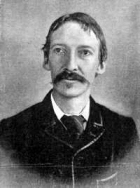
Known to have been impignorate ...
Another Scot, Robert Louis Stevenson, used it several times in letters, as here to a friend from Honolulu in 1889: “I have got the yacht paid off in triumph, I think; and though we stay here impignorate, it should not be for long, even if you bring us no extra help from home.”
But you will search in vain for a more recent serious use, except in the occasional crossword puzzle clue. A supposed letter from a poet to an editor who had displeased him appeared in some American newspapers during 1905: “I tell you, without supervacaneous words, nothing will render ignoscible your conduct to me. I warn you that I would vellicate your nose if I thought that any moral diarthrosis thereby could be performed — if I thought I should not impignorate my reputation.”
[Supervacaneous: superfluous, redundant; Ignoscible: pardonable; Vellicate: to irritate; Diarthrosis: articulation (usually of bones).]